Twenty-five years building small manufacturers into bigger ones. Four businesses failed. The fifth, Houtlander, ran without me by 2024. Then Daily became Dwela in nine months. This is how.

One business, December to August.
This is what nine months with me looks like, told as it happened. No claims; the record speaks as a process.
-
01
Dec 2025 December 2025. A business engaged, and the work scoped. -
02
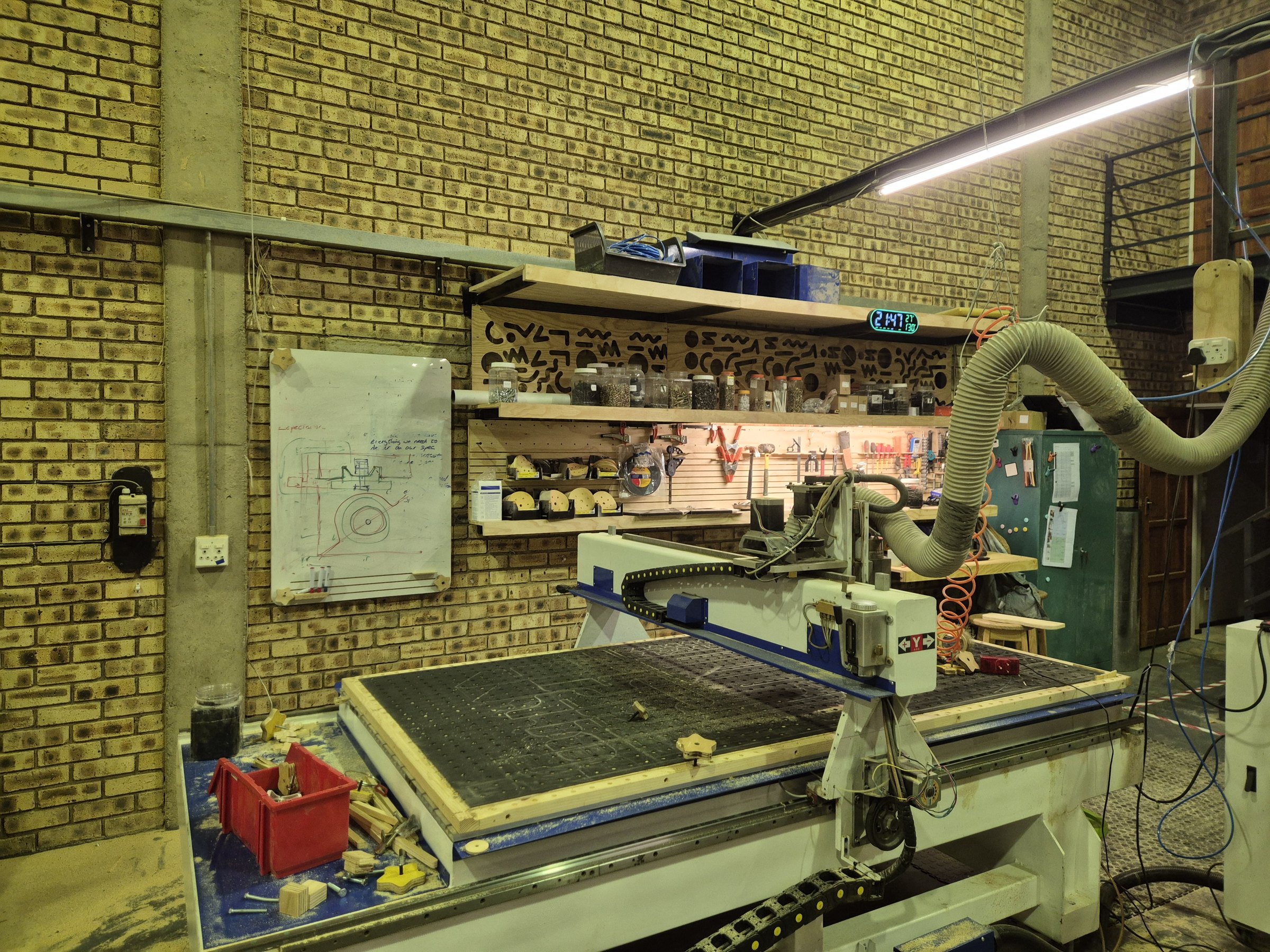
A factory stood up.
-
03
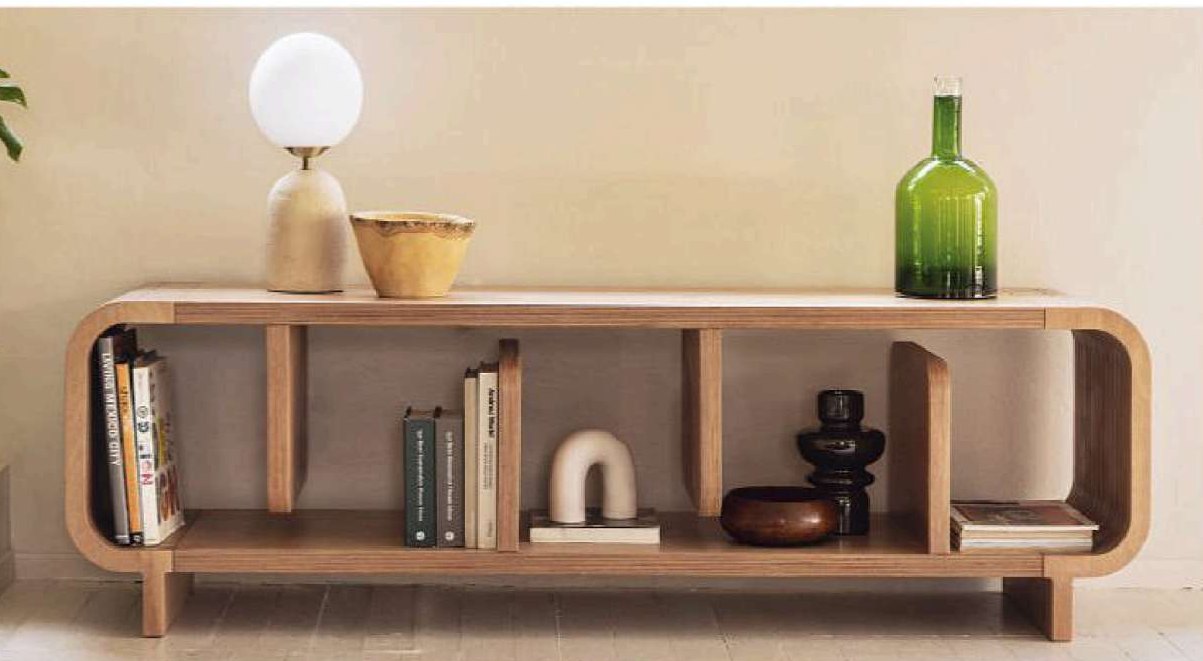
The existing range re-engineered.
-
04
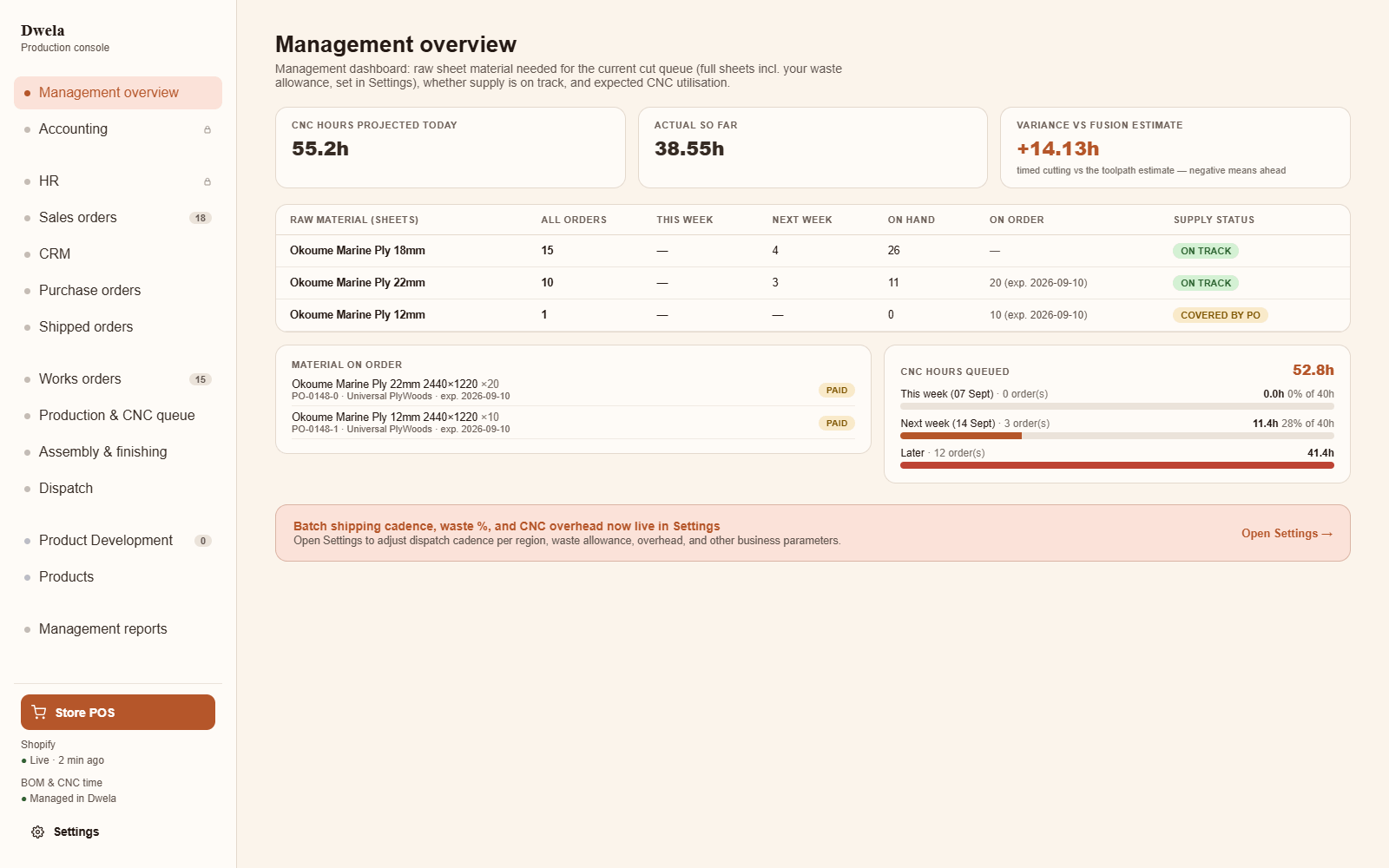
An analysis conducted, and the gaps in the market found.
-
05
A new range developed, together.

-
06
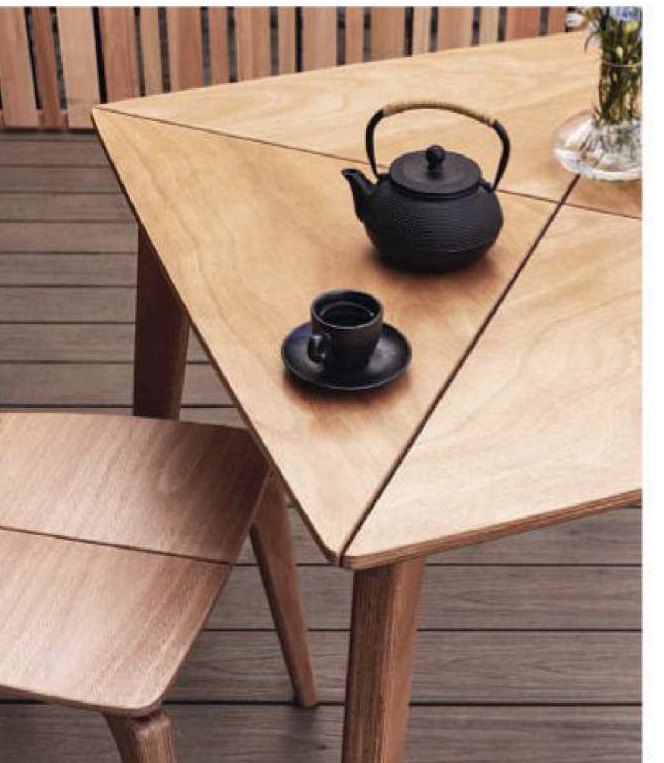
The existing ranges deepened, and focused.
-
07
A new brand developed, and the business carried across to it.

-
08
A showroom designed, and stood up.
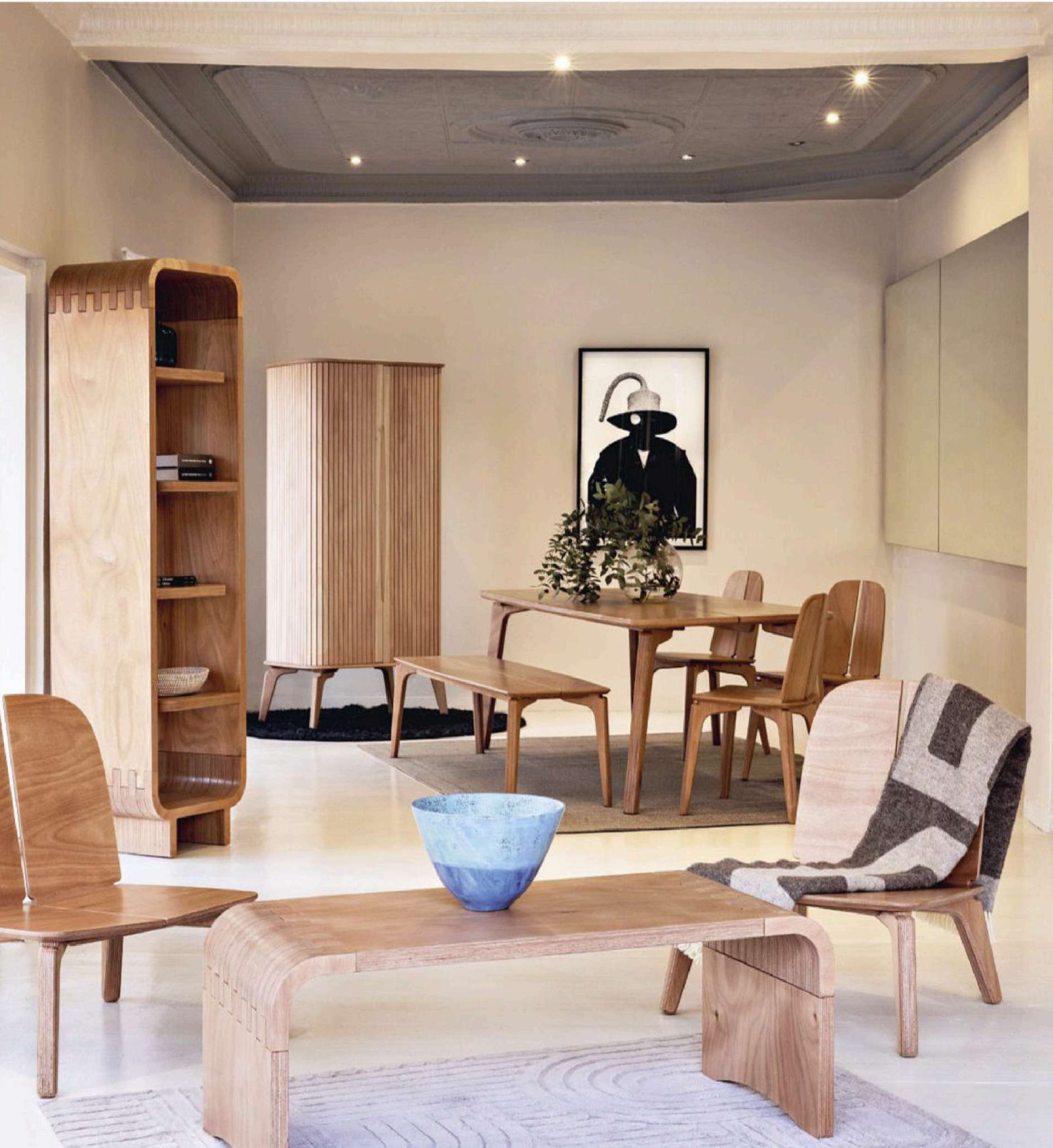
-
09
An exhibition designed, and delivered.
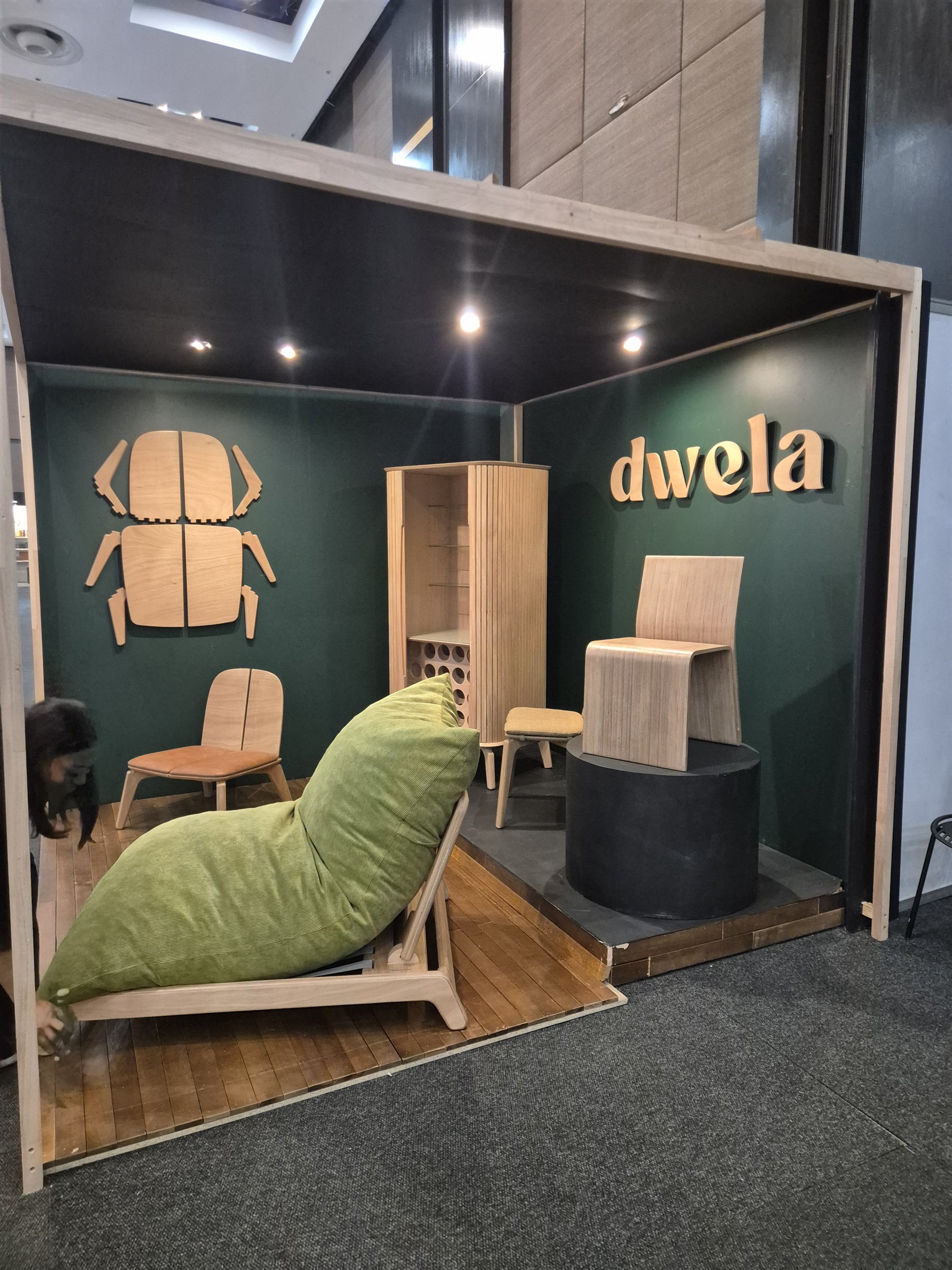
-
10
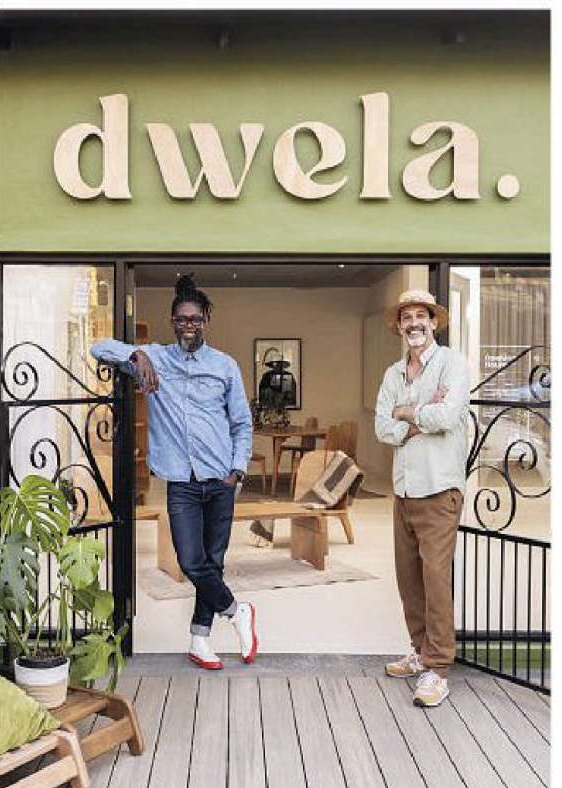
Aug 2026August 2026. The story published. VISI, issue 145 · cover and feature, Daily to Dwela · Joey Khuvutlu & Stephen Wilson · 2026 →“…the incredible new generation of design talent this country is blessed with — from Spectrum's Caitlin Warther and Wendy Dixon and their beautiful mirrors, to Gabriel Hope's quirky imaginary world and Joey Khuvutlu's partnership with Stephen Wilson.” Steve Smith, Editor, VISI, issue 145, August 2026
“After two-and-a-half years of building Daily, I'd reached a point where I felt I needed more experience around me. Initially, I was looking for technical expertise, someone with a deep understanding of woodworking and manufacturing.” Joey Khuvutlu, founder, Dwela, in “Daily to Dwela”, VISI 145, words Jo Buitendach
Book a free online consult.
An hour online, no strings. Bring your console. I'll look at your business with you — your queue, your one constraint, what the numbers are saying — and give you whatever I can in the time. If it turns into more, we'll both know by the end of the hour.
Maker first. Four businesses failed. Then Paris.
I trained first in the paper crafts — papermaking, printmaking, picture framing — then moved to wood under the architect Richard Stretton. At 24 I founded Blue Collar, a bespoke kitchen studio that won Elle Decoration South Africa's Best Kitchen Design award two years running, and then went under. Three more design and manufacturing businesses followed it down. I count those four failures as my real qualification: each taught me a way a making business dies, and everything I have built since is designed against them. In between came a year fitting out superyachts under the Austrian master cabinetmaker Robert Kronhaus, where perfection was the only standard that survived.
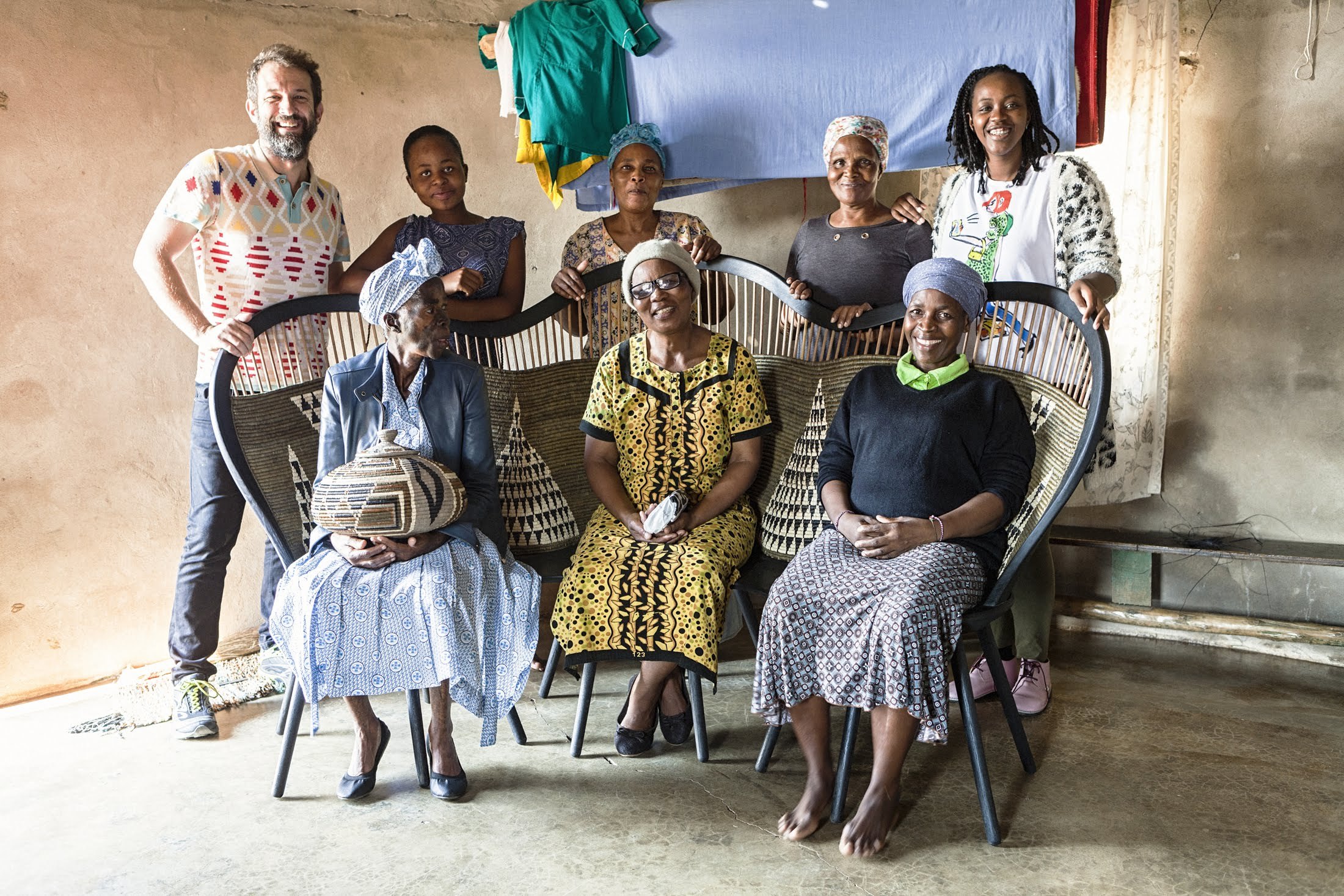
In 2015 I co-founded Houtlander, a studio that treats advanced technology as an enabler of craft rather than its replacement. Its Spindle Back chair — a year in engineering, fourteen minutes in production — has sold in its thousands. The work I speak of first is the Hlabisa Bench: a collaboration with Thabisa Mjo and the master weavers of Hlabisa, led by Beauty Ngxongo, that carried a centuries-old Zulu craft into the Centre Pompidou. I sold my shares to my co-founder in 2024.
In 2020 I co-founded Always Welcome, a designer-owned retail collective built to give southern African studios their own shelf space. It grew to stores in South Africa, Namibia and Germany, and it closed in 2024. I carried the losses myself, and I teach from it. For the American Hardwood Export Council I created and oversaw production of two editions of Future Heirlooms; at Always Welcome I designed and produced the HUT Design Challenge.
Now I do this as a working partner, not a consultant. I invest my time and skill in a business, I am paid from the growth we make together, and I leave on a date set at the start — when the business owns its range, its factory, its people and its systems.
A consultant who has only succeeded is describing the weather. One who has drowned knows where the rocks are.
3,000+
Spindle Back chairs sold in four years.
14 min
to cut every part of a chair that took a year to engineer.
1,300 h
of hand weaving in the Hlabisa Bench.
R210,000
a Hlabisa Bench at auction in 2026, against a retail price of R130,000.
“It is the first South African object to enter the Design section of the Centre Pompidou, of great importance for the museum's collections because of its collaborative and interdisciplinary approach, at the crossroads of craft and design, local traditions and recent technologies.” Olivier Zeitoun, Curator, Centre Pompidou, on the Hlabisa Bench (via Strauss & Co)
“A masterpiece in timber design and craftsmanship.” Roderick Wiles, American Hardwood Export Council, on the Preservation Bench
“This project challenged me to work on furniture, and helped me merge my historical skill with new technology, which is something I never thought I could ever do.” Beauty Ngxongo, master weaver, Hlabisa (TLmag)
 2023
Cannes Lions, Bronze (Design), and Fast Company Innovation by Design, for the Inverroche Bee&Bee, built by Houtlander
2019
Most Beautiful Object in South Africa, Design Indaba, for the Interdependence II
2019
Best Furniture Design, 100% Design South Africa, for the Preservation Bench with AHEC
2023
Cannes Lions, Bronze (Design), and Fast Company Innovation by Design, for the Inverroche Bee&Bee, built by Houtlander
2019
Most Beautiful Object in South Africa, Design Indaba, for the Interdependence II
2019
Best Furniture Design, 100% Design South Africa, for the Preservation Bench with AHEC
 2019
Révélations, Grand Palais, Paris — the Hlabisa Bench's debut
2018
South African Designer of the Year, 100% Design South Africa
2017
Best Furniture Design, 100% Design South Africa, for the Coronation Bench, at the studio's debut show
2019
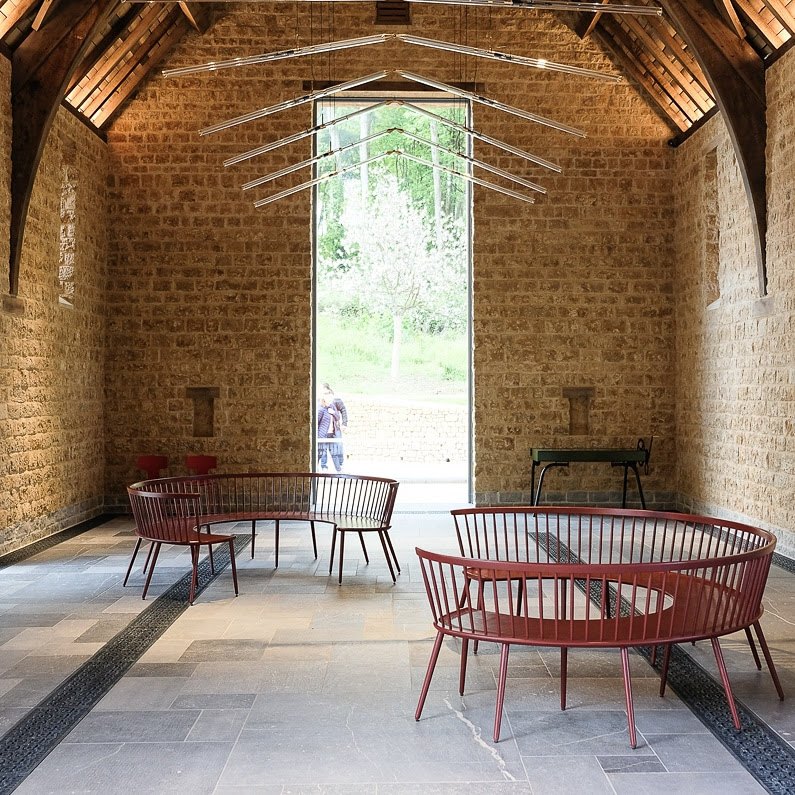
The Coronation Bench at The Newt in Somerset
2019
Révélations, Grand Palais, Paris — the Hlabisa Bench's debut
2018
South African Designer of the Year, 100% Design South Africa
2017
Best Furniture Design, 100% Design South Africa, for the Coronation Bench, at the studio's debut show
2019
The Coronation Bench at The Newt in Somerset
 2022
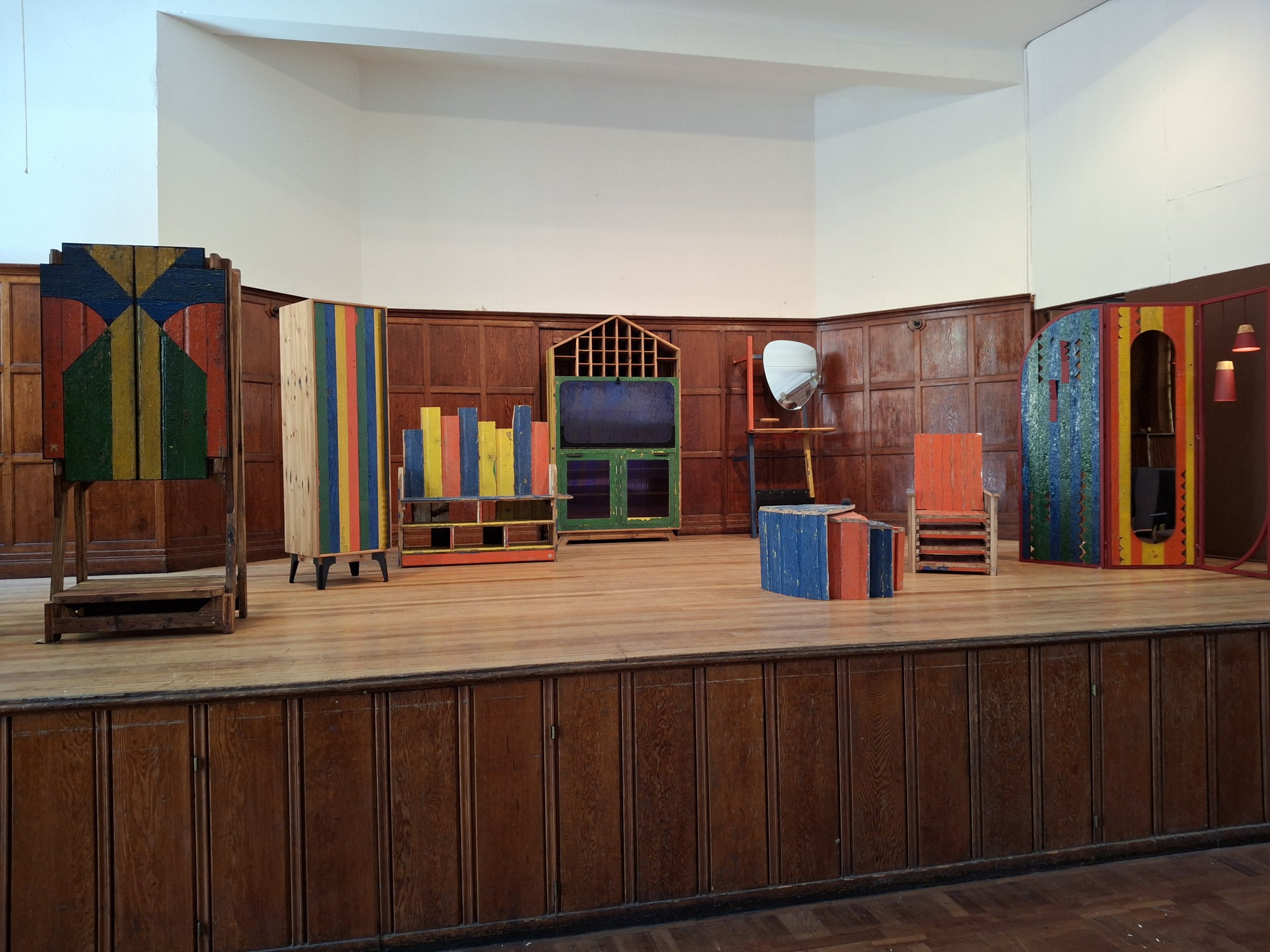
Future Heirlooms, seven pieces by seven South African designers, manufactured by Houtlander
2024
HUT Design Challenge, Church House, Cape Town
2022
Future Heirlooms, seven pieces by seven South African designers, manufactured by Houtlander
2024
HUT Design Challenge, Church House, Cape Town
 2026
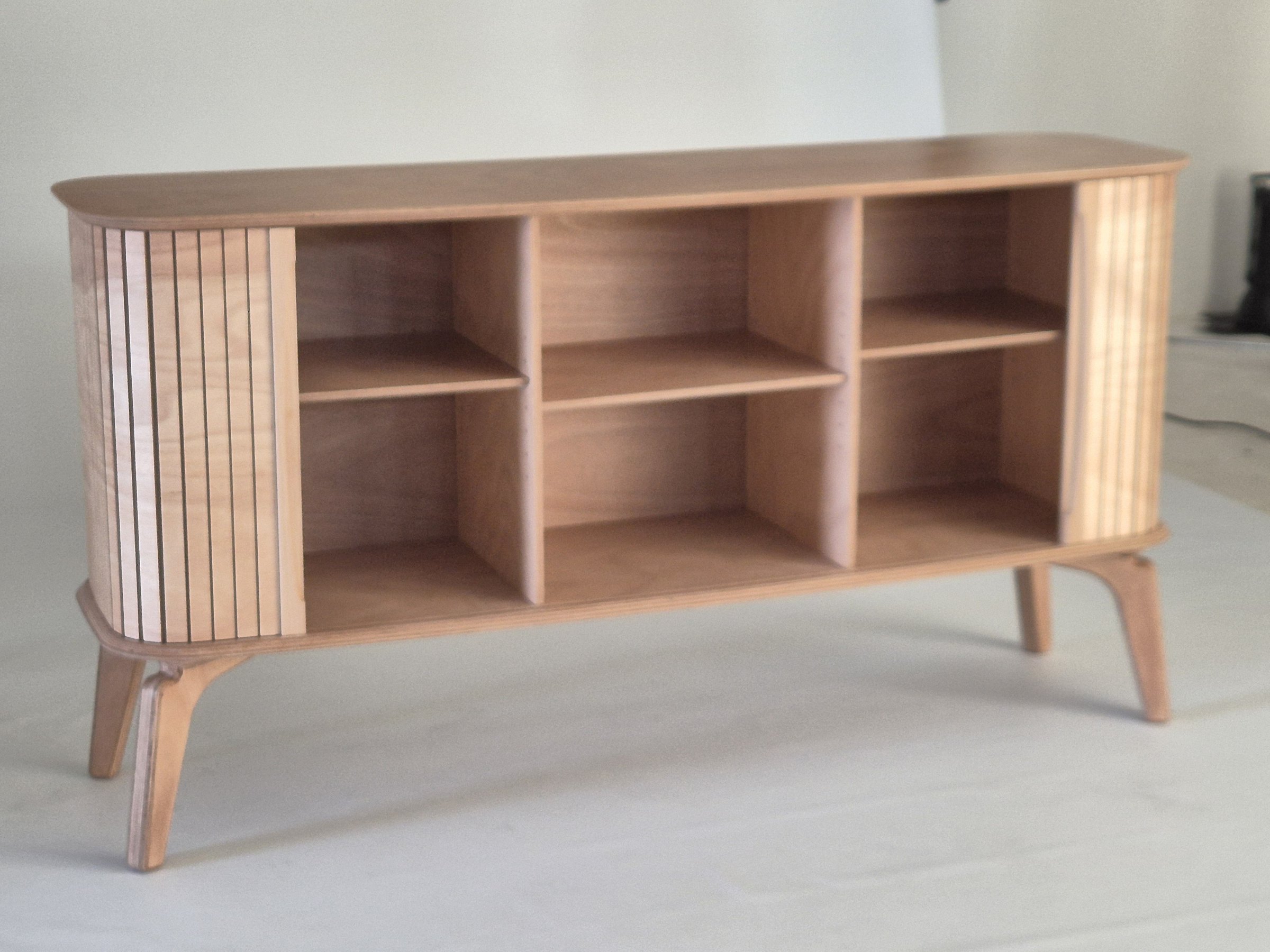
VISI issue 145 — cover and feature “Daily to Dwela” (Joey Khuvutlu & Stephen Wilson)
2026
VISI issue 145 — cover and feature “Daily to Dwela” (Joey Khuvutlu & Stephen Wilson)
In the media, by year
- 2026 VISI Issue 145, cover and feature: Daily to Dwela
- 2026 Decorex Decorex Johannesburg 2026, the Dwela stand
- 2025 Strauss & Co Hlabisa Bench, lot 57, Woven Legacies
- 2025 Design Stories Phillip Hollander (Houtlander)
- 2023 Fast Company The Inverroche Bee&Bee
- 2023 TFG Media Stephen Wilson creates a design studio for all
- 2022 Wallpaper* AHEC Future Heirlooms at Always Welcome
- 2022 Forbes Africa South African entrepreneurs on the power of the designers collective
- 2021 TLmag Beauty Ngxongo: Woven in Time
- 2020 DesignWanted Houtlander: high-quality wood furniture
- 2019 Design Indaba Interdependence II named Most Beautiful Object in South Africa
- 2019 Sunday Times Outdoor furniture crafted from carbon-negative timber
- 2019 Daily Maverick A hot young talent with designs on business success
- 2019 AHEC The Preservation Bench by Houtlander
Comfortable in chaos; paid to end it.